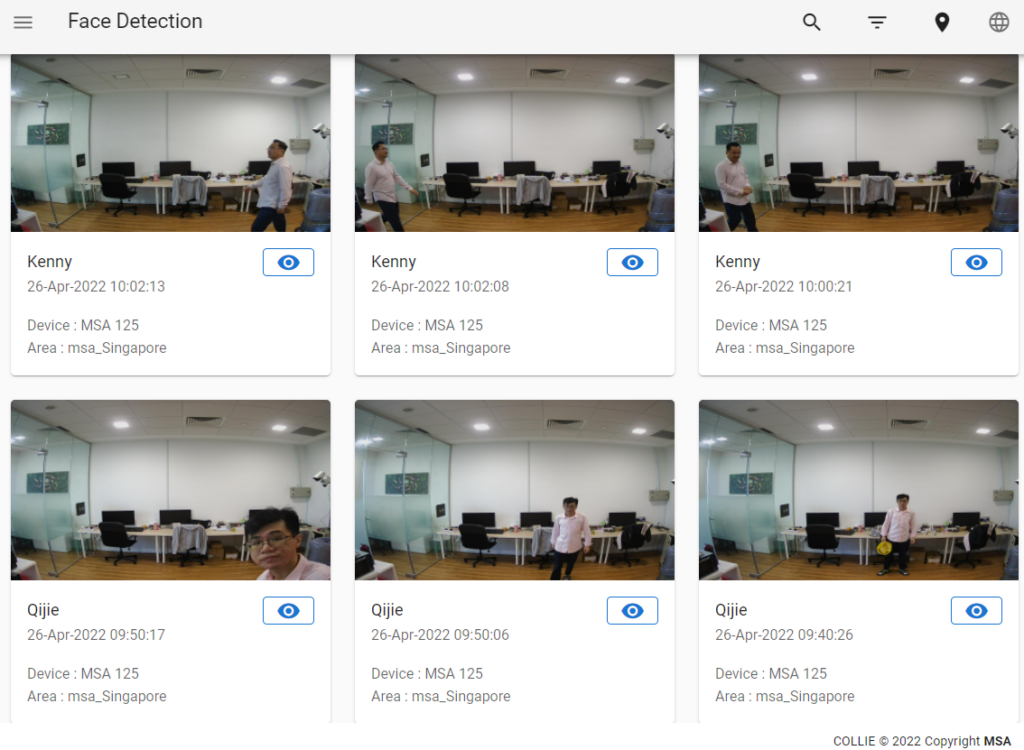
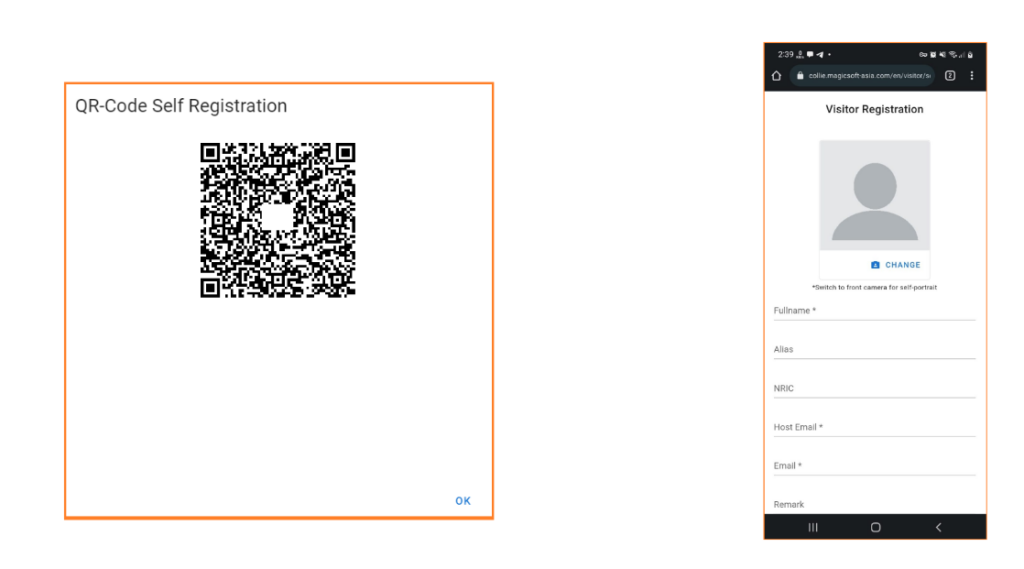
Facial recognition, card authentication, and turnstile control working as one system — with self-registration that keeps queues short and every entry logged automatically.
Most access control problems aren’t dramatic — they’re a slow front desk, a health risk, and a blind spot when something actually goes wrong.
Long queues
Manual registration at the front desk piles up during peak hours. Self-registration lets visitors and new staff register themselves, pending approval, without anyone waiting in line.
Shared-surface risk
Fingerprint scanners mean shared touchpoints. Facial recognition — even through a mask — and card authentication remove the need for contact entirely.
No audit trail
Without a connected system, no one can answer “who was on site, and when.” An integrated log makes that answerable in seconds, not days.
Singapore recorded an average of roughly 580 trespassing cases a year between 2013 and 2018, with around 700 arrests annually — a reminder that even low-crime environments need a working front door, not just a locked one.
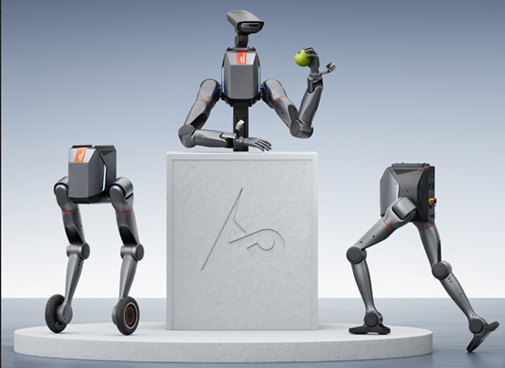
The Fleet
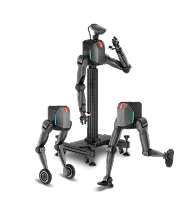
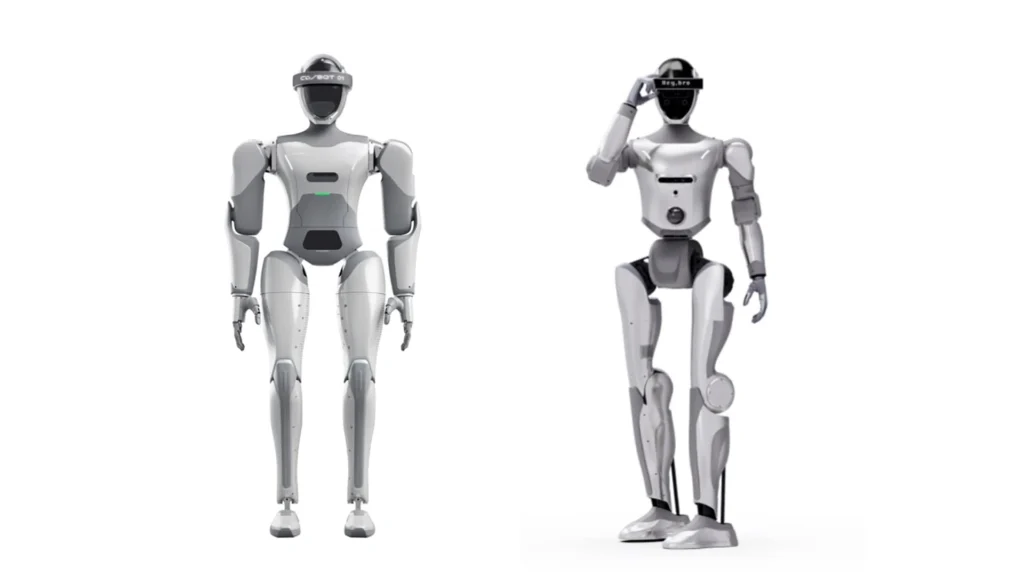
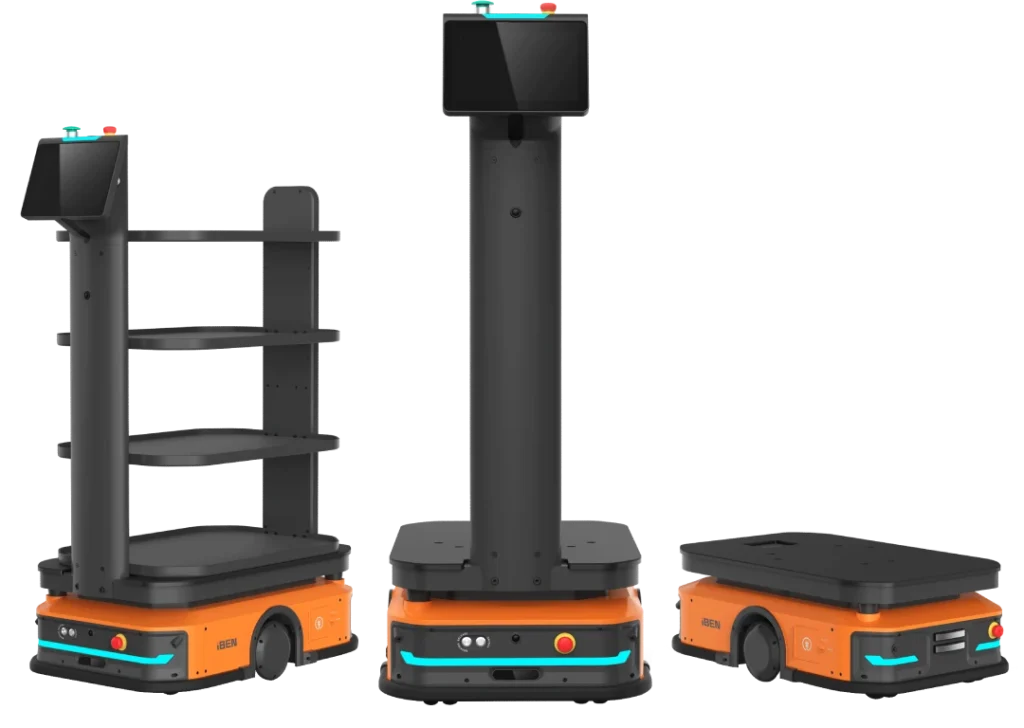
Five bodies. One brain.
Pick the chassis that fits the job, every unit runs the same Collie intelligence layer underneath.
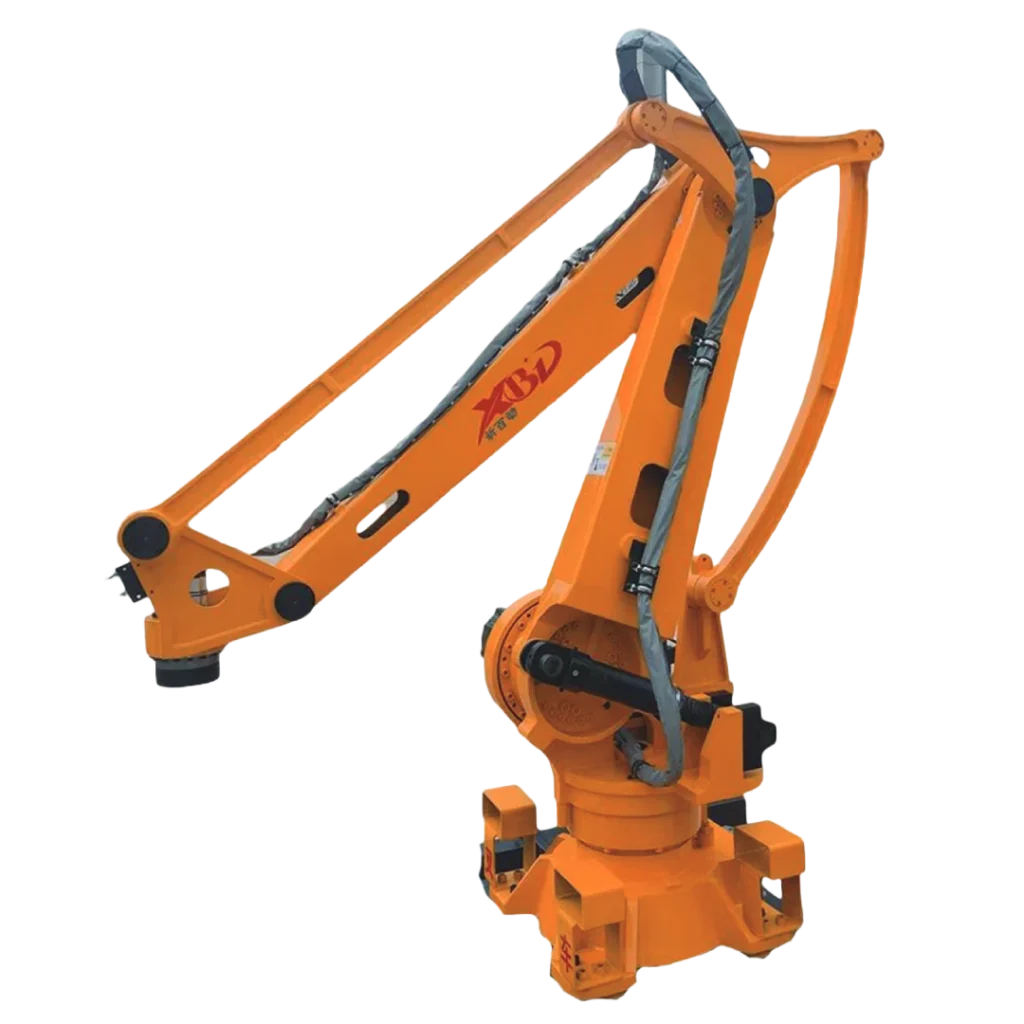
Robotic arm for automating repetitive tasks — assembly, precision handling, and inspection on production lines.
MOBILITY
Fixed / arm
What’s inside
One module, four jobs
Access Control Management is built as a single feature set — software that decides who goes where, hardware that enforces it.
Facial & card recognition
Authenticate staff and visitors by face, even with a mask on — or by card, with no shared surface to touch.
Turnstiles & gates
Physical barriers work hand-in-hand with authentication devices, so approval on-screen becomes a movement restriction in the real world.
Self-registration
Visitors and new staff register themselves ahead of arrival or at a kiosk, routed to the right approver and assigned to the correct locations automatically.
Attendance & transaction logs
Every authentication event becomes an attendance record — who entered, where, and when — feeding directly into reporting.
How it flows
Register. Authenticate. Log.
The same loop, whether it’s a visitor’s first visit or a staff member’s five-hundredth.
01
Register
A visitor or new staff member self-registers, is routed for approval, and gets assigned to the locations they’re cleared to enter.
02
Authenticate
At the gate, face or card is verified against the assignment. No match, no clearance — the turnstile simply doesn’t open.
03
Log
Every pass becomes a timestamped record — feeding attendance reports, occupancy limits, and incident investigations.
This module already runs on Collie robots
The same face-and-card authentication that guards your turnstiles also rides on the Collie robot fleet — letting a patrol unit badge itself through the same gates your staff use, no separate system required.
Access Control Management is built as a single feature set — software that decides who goes where, hardware that enforces it.
Offices
Cardless door access and self-service visitor sign-in with full attendance reporting.
Industrial Sites
Worker and visitor access history tied to on-site safety and PPE compliance
Hospital
Visitors and new staff register themselves ahead of arrival or at a kiosk, routed to the right approver and assigned to the correct locations automatically.
Construction
Visitor and worker access monitoring across gates that change by project phase.
Frequently Asked Questions (FAQ)
Are these robots fully autonomous?
They can operate autonomously or semi-autonomously with human supervision depending on use case.
Can systems integrate with existing infrastructure?
Yes, our platforms are designed for seamless integration with enterprise systems.
What industries are suitable?
Construction, healthcare, aviation, manufacturing, security, and more.
Related Article
Let’s Build the Future of Work Together
Whether you are in construction, healthcare, aviation, or enterprise operations, we help you deploy intelligent systems that deliver measurable results.